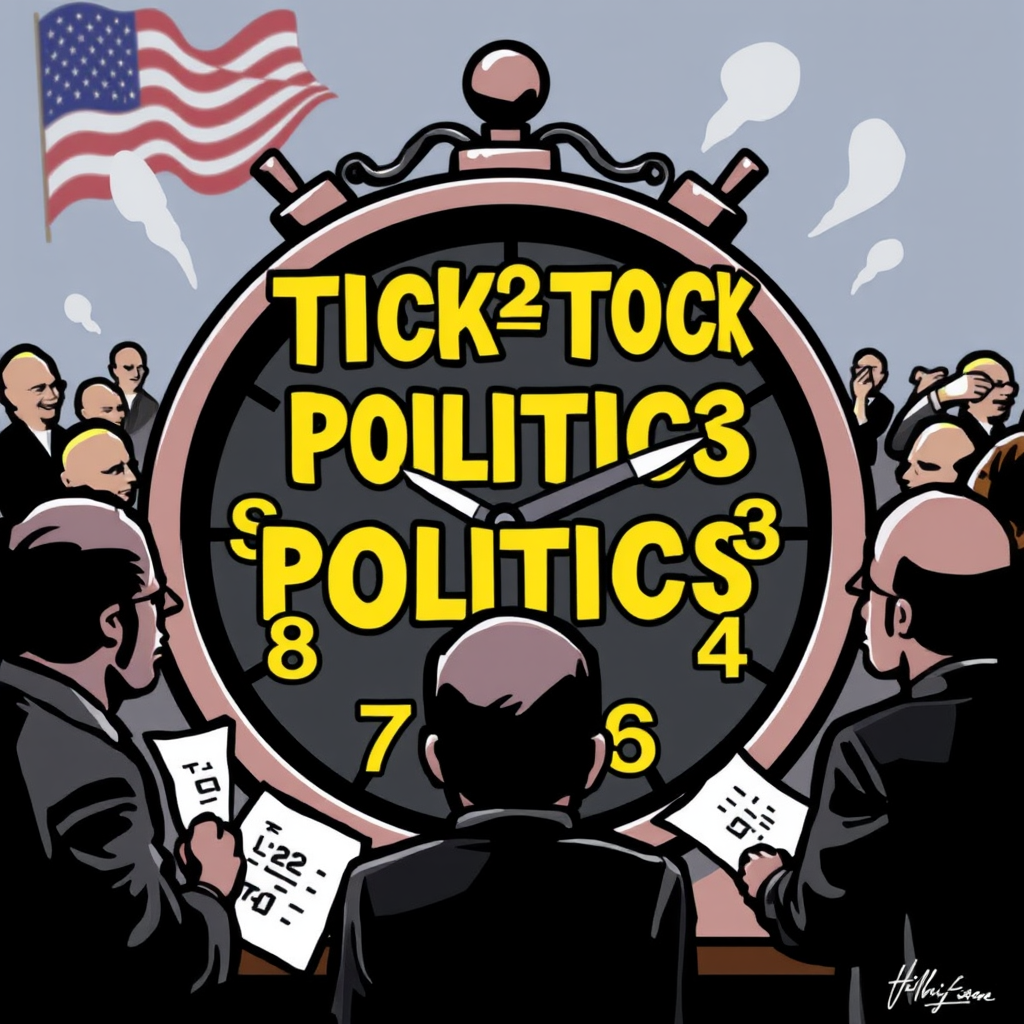
Welcome to the ultimate civic circus, where the stakes are high, the coffee is strong, and the budget sheets are longer than a holiday shopping list! In the heart of the District, the D.C. Council is currently performing a high-wire act known as the Great Budget Review. Imagine a giant room full of people trying to decide if we should buy a community-sized bounce house or fix the leaky roof, except the bounce house costs millions and the roof is actually the entire city's infrastructure. It is a puzzle where some pieces represent shiny new schools and others represent fixing every single pothole, but the box says there aren’t quite enough pieces to finish the whole picture.
Mayor Muriel Bowser stepped into the ring with a plan that felt a bit like a "tough love" diet. She suggested some trimming here and a bit of tightening there, particularly when it comes to social programs that many residents hold near and dear to their hearts. But the Council? They aren’t exactly ready to skip dessert just yet. They have been squinting at the numbers and wondering if they can find some extra coins under the couch cushions—or, more realistically, by adjusting a few taxes on the city’s wealthiest neighbors to keep the engines running smoothly.
There is a classic tug-of-war happening on the legislative playground. On one side, there is a big push for more funding for public safety, because everyone wants to feel like they can walk their golden retriever at midnight without a care in the world. On the other side, there is a passionate plea to keep the social safety net strong and supportive. It is the age-old question: how do we pay for all the fancy toppings without breaking the piggy bank? The Council members are debating, deliberating, and occasionally letting out a dramatic sigh, all to ensure the District stays vibrant while keeping its financial house in order.
Meanwhile, just a short hop, skip, and a jump away in Annapolis, the Maryland General Assembly has been throwing the ultimate legislative block party—and by party, I mean a 90-day sprint that ends in a flurry of flying paper and very tired eyes. They call the finale "Sine Die," which is fancy Latin for "we really, really need a nap now." As the clock ticked down toward the midnight deadline, lawmakers were scurrying around like squirrels preparing for a particularly long winter, trying to shove as many bills through the door as possible before the buzzer sounded.
They managed to pack their suitcases with some pretty significant wins before heading home. There was plenty of chatter about the budget—because, let’s face it, money makes the world go 'round, even in the Old Line State. They focused on keeping the state’s checkbook balanced while tossing some much-needed funds toward education and environmental protection. It wasn’t all sunshine and rainbows, though. Some big ideas got stuck in the legislative mud, proving that even with the best intentions, you can’t always get everyone to agree on which toppings belong on the legal pizza.
One of the hottest topics in the Maryland kitchen was juvenile justice. Everyone wants the kids to be alright, but there has been a heated debate on the best recipe to make that happen. Some voices called for stricter rules to keep the peace, while others argued that we need to focus on the root causes of why kids get into trouble in the first place. In the end, they cooked up a compromise that they hope will satisfy both sides of the table, though we will have to wait and see how it actually tastes once it is served up in the real world.
Let’s not forget the environment! Marylanders love their blue crabs and their sparkling bay, so it is no surprise that lawmakers were busy bees trying to pass bills to protect the planet. From clean energy initiatives to keeping the waterways pristine, there was a lot of green on the agenda this year. It is a bit like trying to deep-clean your entire house in ten minutes because guests are pulling into the driveway; they got a lot done, but there is always that one corner that could use a little more dusting next year.
As the dust settles in Annapolis and the debate rages on in D.C., it is clear that local politics is less like a dry history book and more like a living, breathing soap opera. It is a story about neighbors trying their best to navigate the messy, complicated reality of living together in a community. Whether it is deciding how much a bus pass should cost or how to keep the air clean, these decisions impact our morning commutes, our kids’ classrooms, and the parks where we spend our sunny Saturdays.
So, what is next for our local heroes of the hallway? In D.C., the budget battle will continue until the final vote is cast, featuring plenty of public hearings and perhaps a few more impassioned speeches. In Maryland, the legislators have headed home to catch up on sleep and remind their families what they look like, leaving behind a stack of new laws that will slowly but surely start to change the landscape of the state. It is a wild ride, but that is the beauty of the democratic process—it is noisy, it is frantic, and it is never, ever boring!
It is easy to get lost in the jargon and the giant spreadsheets, but at its heart, this is just a very grand way of people looking out for one another. It is a tale of ambition, compromise, and the occasional awkward Zoom call. As we move forward into the spring, we can only hope that the decisions made in these grand halls lead to brighter streets, smarter schools, and maybe, just maybe, a little less traffic on the Beltway for everyone.