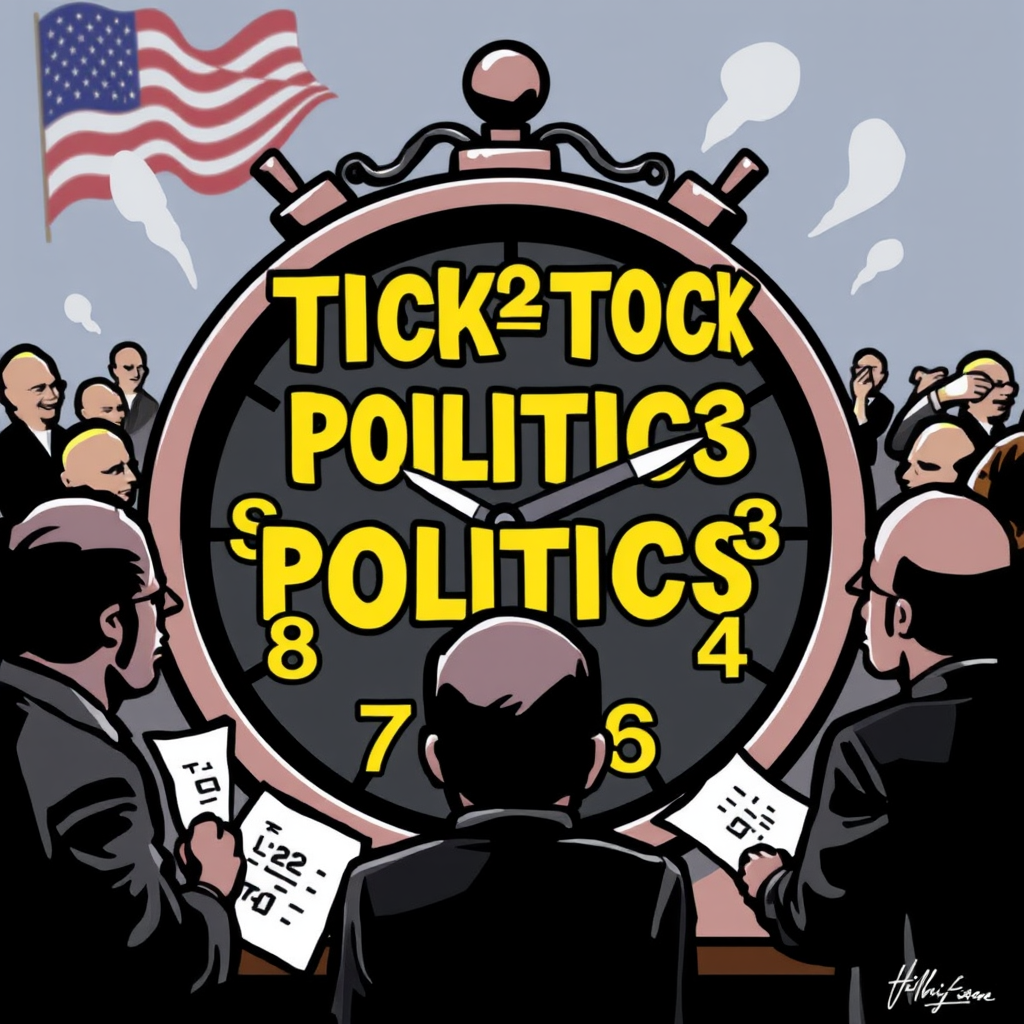
Imagine for a moment that democracy is like that ultra-fancy, high-tech espresso machine you’ve been eyeing for years. In your head, it’s the ultimate dream. You envision yourself waking up to the smell of perfectly roasted beans, sipping a velvety latte while looking effortlessly sophisticated. In theory, having the power to brew your own destiny is the best thing since sliced bread. This is exactly how most people across the states feel about the big "D" word. They love the idea of it. They want the freedom, the fairness, and the fancy foam on top. Democracy is the brand everyone wants to be associated with, the cool kid at the party that everyone wants to sit next to.
But then, reality hits like a cold splash of water. You finally get the machine home, and it’s a total nightmare. The buttons stick, the milk frother makes a sound like a haunted vacuum cleaner, and the instructions are written in a language that seems to change every time you look at them. This is the "practice" side of the coin. While the concept of a government "by the people" gets a massive thumbs-up, the actual day-to-day experience feels more like being stuck in the world’s longest, most frustrating customer service queue. People are staring at their political representatives and wondering if they accidentally ordered the "as-is" floor model instead of the shiny new version they were promised.
The real drama starts with the "group project" vibes of modern leadership. We’ve all been there: you’re in a group of four, and one person is doing all the work, another is just there for the snacks, and the other two are arguing over what font to use for the title slide. In the political arena, it feels like the people in charge are more interested in winning the argument than actually finishing the project. Instead of fixing the leaky roof or making sure the metaphorical snacks are distributed fairly, the leaders are often found bickering in the hallway about who gets the best parking spot. This disconnect makes the average person feel like they’re watching a reality TV show that they didn't audition for, yet they’re the ones who have to pay for the production costs.
It’s not just that the leaders are having a hard time agreeing on lunch; it’s that the whole system feels like an app that desperately needs an update. Every time a new feature is promised, the screen freezes, and you get a spinning wheel of doom. Citizens are looking at the potential of their country and seeing a Ferrari, but the people behind the wheel are treating it like a bumper car at a local carnival. There’s a profound sense that while the engine is powerful, the steering wheel is currently being fought over by two people who can’t even agree on which direction "forward" is.
Then there’s the neighborhood gossip factor, also known as polarization. It’s reached a point where if one side says the sky is blue, the other side might claim blue is an elitist color and insist we all start calling it "atmospheric sapphire." This constant back-and-forth makes the actual practice of democracy feel less like a grand experiment in liberty and more like a never-ending Thanksgiving dinner with that one relative who turns every conversation about the weather into a debate about the bronze age. It’s exhausting, and it leaves everyone feeling a bit grumpy and wishing they could just go into the kitchen and eat the pie in peace.
Despite the glitches, the sticking buttons, and the confusing instructions, nobody actually wants to throw the espresso machine out the window. They still love the coffee; they just hate the machine’s current performance. There’s a lingering hope that with the right "repair crew" or perhaps a very thorough cleaning of the internal pipes, the system can start producing those delicious lattes again. The dissatisfaction isn't with the concept of brewing your own drink; it's with the fact that the current baristas keep spilling the milk and forgetting the sugar.
The vibe right now is essentially a "long-distance relationship" with the ideal version of the country. We remember the good times, we post pictures of the highlights, and we tell our friends how great things could be. But when we actually sit down to have a conversation, it’s a lot of "you never listen" and "why is the budget still a mess?" The love for the principle remains rock solid, but the day-to-day relationship is definitely in the "it's complicated" phase. Everyone is waiting for that one great leader—the political equivalent of a tech genius—to come along and finally fix the bugs in the code.
In the end, it’s a classic case of expectation versus reality. We expected a smooth, synchronized dance of progress, and what we got was a high-stakes version of the Hokey Pokey where everyone is putting their left foot in and shaking it all about, but nobody is actually turning themselves around. However, the fact that people are dissatisfied is actually a weirdly good sign. It means they still care. It means they know the machine *could* work better, and they aren't ready to settle for lukewarm, burnt coffee. They’re holding out for the premium roast, and they aren't going to stop complaining until they get it.