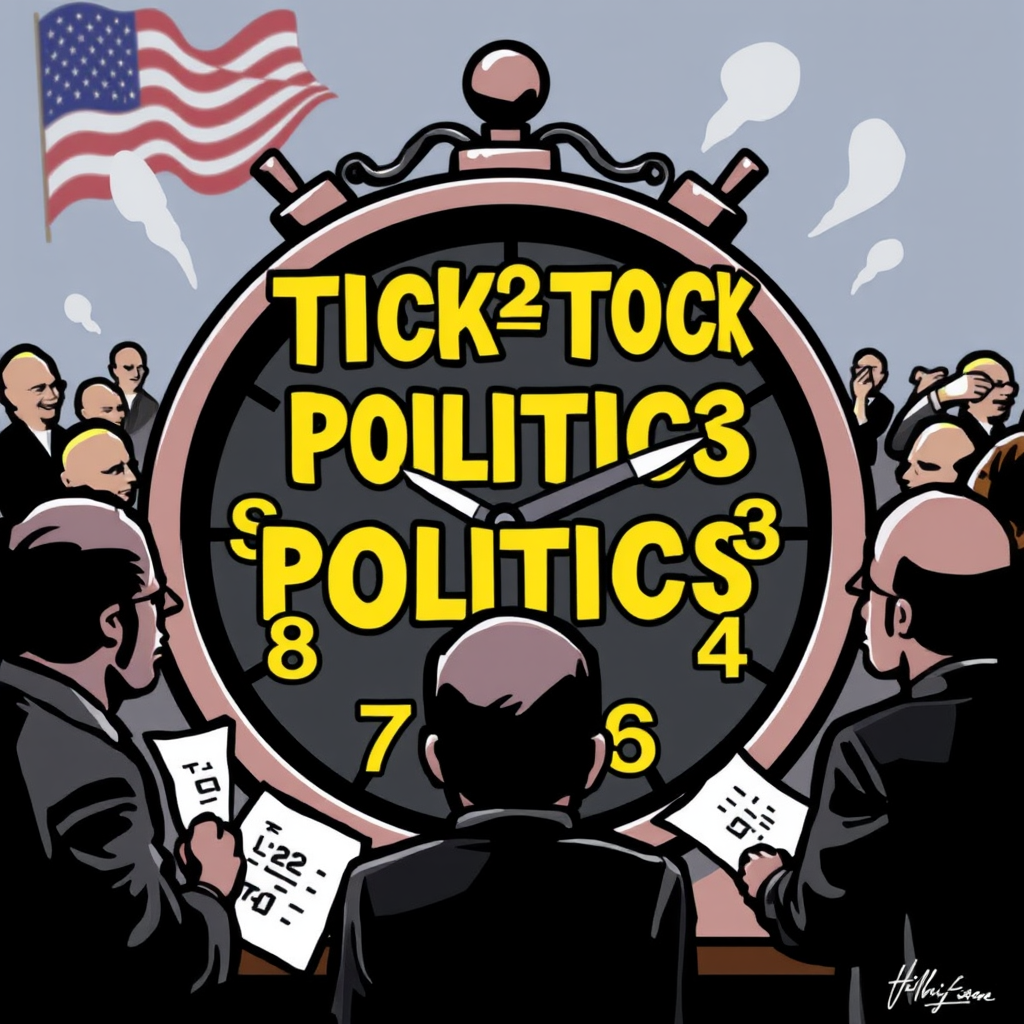
Imagine, if you will, a high-octane clubhouse where the air is thick with the scent of revolutionary dreams and perhaps a very expensive brand of oat milk. This was the headquarters of the political powerhouse known as Our Time, a group that burst onto the scene with all the swagger of a lead singer in a Brooklyn indie band. They were the chosen ones, the strategic masterminds aligned with the ever-charismatic Assemblymember Zohran Mamdani. They had the vision, they had the momentum, and for a hot minute, they had a very full office. But lately, if you walked into their headquarters, you might find nothing but a few lonely succulents and the echoing sound of a distant subway train.
In a plot twist that sounds like it was ripped straight from a dramatic season finale, the staff at Our Time decided to perform a collective vanishing act. We aren't just talking about one or two people heading off to find themselves on a yoga retreat in the Catskills. No, this was a full-scale exodus. From the top brass down to the folks who probably knew the secret to unjamming the printer, almost everyone has packed their bags and headed for the exits. It is the ultimate "ghost town" scenario, leaving observers to wonder if there was a secret memo sent out that everyone else missed, or if the vibes simply became too immaculate to handle.
The group was originally designed to be the engine room for a specific brand of New York City progressivism. They were supposed to be the ones knocking on doors, crunching the data, and turning big, bold ideas into actual policy wins. With Mamdani’s star on the rise, Our Time was the cool kid on the political block. They were the ones who were going to shake up the status quo and remind the old guard that the future is now. But as it turns out, the future is currently looking a little bit understaffed. It is hard to run a revolution when there is no one left to answer the emails or organize the next rally.
So, what exactly happened? Was it a case of too many cooks in the kitchen, or did the kitchen simply run out of ingredients? While the specific details are whispered about in the dimly lit corners of local dive bars, the general consensus is that a mix of internal friction and strategic disagreements led to the Great Departure. It seems that even in the world of high-stakes activism, personalities can clash like cymbals in a marching band. When you have a group of highly passionate, highly driven individuals, sometimes the energy goes from "changing the world" to "changing our LinkedIn statuses" real quick.
The departure of the executive director was the first major domino to fall, and as we all know from childhood games, once that first block goes, the rest usually follow in a satisfyingly chaotic tumble. Following the leader is a common theme in politics, but in this case, the staff followed the leader right out the front door. This leaves the organization in a bit of a pickle. They still have the name, they still have the mission, and they presumably still have the office keys, but the human capital—the literal heartbeat of any movement—has flatlined for the moment.
For Mamdani, this is a bit of a head-scratcher. Having a dedicated political action committee or a loyal organizing group is like having a superpower in the world of New York politics. It provides the ground game that turns a popular figure into a legislative force. Without the "Our Time" crew firing on all cylinders, the path forward looks a bit more like a solo hike through a dense forest rather than a victory parade down Broadway. Of course, in politics, nobody is ever truly "down and out" forever. It is more likely a period of "hibernation" or an "unplanned sabbatical."
The irony of the name "Our Time" is certainly not lost on the local political pundits. When you name your group something so definitive and urgent, people tend to notice when that time seems to be running out—or at least taking a very long lunch break. The big question now is whether the group can reinvent itself. Can you build a second act when the first act ended with the entire cast walking off stage before the intermission? It would take a Herculean effort of recruitment and a very enticing pitch to bring a new team into the fold after such a public emptying of the nest.
Despite the current emptiness of the office chairs, the spirit of the movement they represented hasn't disappeared. The ideas are still there, floating around in the atmosphere like confetti after a parade. The challenges facing the city haven't gone anywhere, and the hunger for the kind of change Our Time promised is still very much alive. It’s just that, for the moment, the organizers of that change are currently occupied elsewhere—perhaps starting new chapters, joining different squads, or simply taking a well-deserved nap after a very tumultuous ride.
As the dust settles on this political disappearing act, the rest of the city watches with curiosity. Will a new group of bright-eyed believers step in to fill the vacuum? Or will the memory of Our Time become a cautionary tale about the volatility of modern political movements? Only time—ironically enough—will tell. For now, the lights might be on at the headquarters, but the party has definitely moved to a different venue, leaving us all to wonder who will be the next to pick up the megaphone and start the next chant.