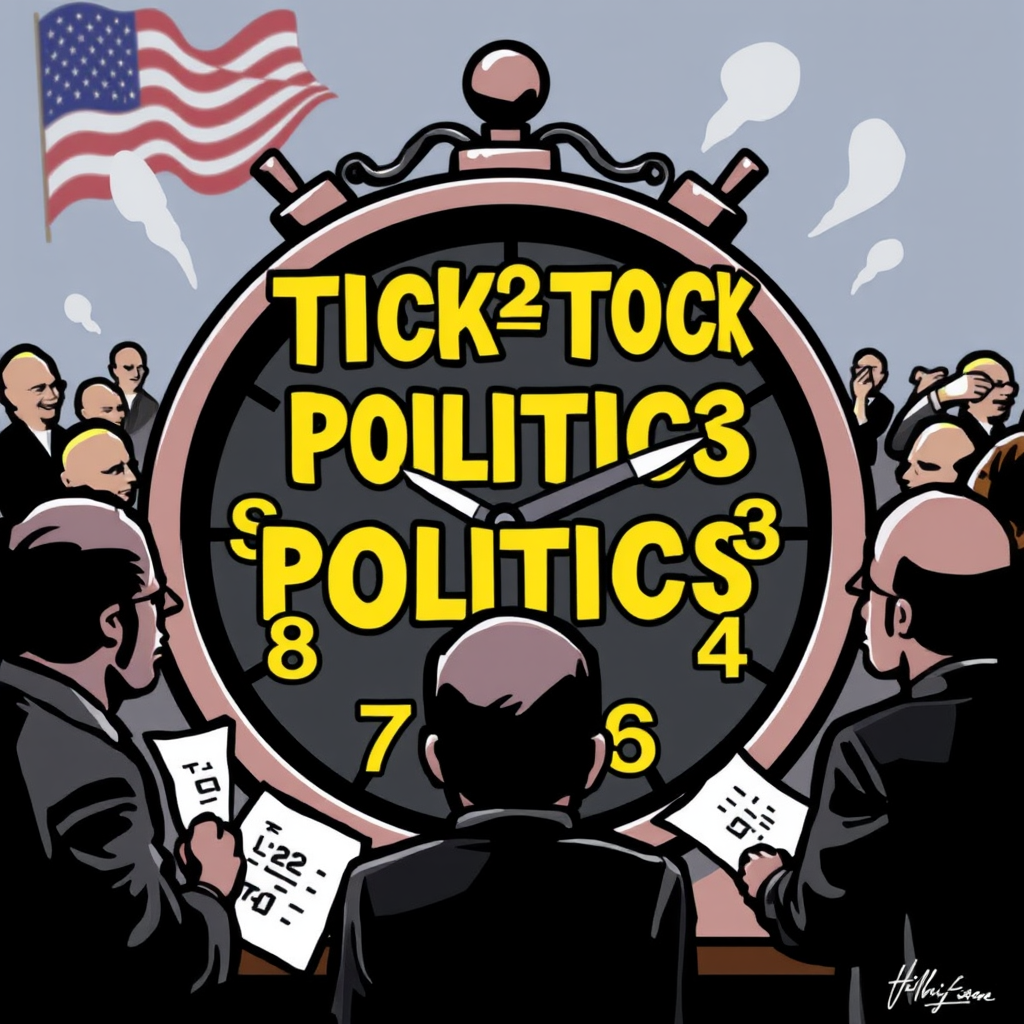
Gather 'round, everyone! It’s that special time of year again when the air gets thick with the scent of freshly pressed suits and the rhythmic sound of self-congratulatory applause. Yes, it’s the season of the grand political spectacle, where the state’s most talented storytellers assemble to weave a tapestry of triumphs so dazzling you might need to wear sunglasses just to look at the podium. It’s a bit like a magic show, but instead of pulling rabbits out of hats, our leaders are pulling "unprecedented successes" out of thin air while we all wonder where our wallets went.
Let’s talk about the high art of narrative laundering. It’s a delicate, multi-step process, really. You take a dusty, slightly grimy reality—say, the fact that your monthly grocery bill now resembles a mortgage payment—and you run it through the heavy-duty industrial cycle of political spin. Add a generous splash of "bold initiatives" and a sprinkle of "historic investments," and voilà! You’ve turned a kitchen-table crisis into a triumphant victory lap. It’s the political equivalent of using a heavy beauty filter on a photo of a burnt piece of toast until it looks like a gourmet artisan sourdough. By the time the speech is over, you’re almost convinced that the hole in your pocket is actually a deliberate design choice for better ventilation.
The ceremony itself is a marvel of human endurance and choreographed enthusiasm. Lawmakers engage in a high-intensity cardio workout consisting of standing up, clapping furiously, sitting back down, and then doing it all over again thirty seconds later. It’s like a game of Simon Says, but Simon is a teleprompter filled with superlative adjectives. If the speaker mentions a puppy, everyone stands. If they mention "the future of our children," everyone stands. If they mention the concept of time itself, they probably stand for that too, just to be safe. It’s a standing ovation for every comma and a thunderous round of applause for every semicolon.
Then comes the truly magical part: the affordability segment. It’s a wonderful word, isn't it? It sounds so cozy and comforting. The narrative usually goes something like this: "We are working tirelessly to make life more affordable by spending more of your money to tell you how much we’re saving you." It’s the kind of logic that only makes sense if you’ve spent way too much time breathing the rarefied, recycled air of a gold-domed capitol building. While the average person is playing a stressful game of financial Tetris with their bills, the speechwriters are busy crafting metaphors about "building bridges to a brighter tomorrow." It turns out those bridges are quite expensive, and there’s a toll booth every ten feet, but the view is supposedly spectacular.
We also hear plenty about the glowing state of education and public safety. In this enchanted narrative, every student is a soaring eagle, even if the actual test scores suggest they might still be struggling to clear the nest. We are told the streets have never been safer, usually by people who travel in tinted-window SUVs with a security detail that looks like they stepped out of an action movie. It’s not that these folks are lying, per se; they’re just very passionate enthusiasts of a very specific, very shiny version of the truth. They are the directors of a high-budget movie where the hero—the government—always saves the day in the final act, and the villain—usually "unforeseen global forces"—is conveniently out of reach for a follow-up question.
What’s truly fascinating is the "selective memory" feature of these addresses. If something good happens, it was a calculated result of a brilliant policy. If something bad happens, it’s a stubborn leftover from a previous era or perhaps a result of a planetary misalignment. It’s a world where the sun only shines because a committee voted for it to be Tuesday. The level of confidence is infectious, provided you don't look too closely at the fine print or, you know, your own bank statement.
As the speech winds down and the final crescendo of clapping fades into the rafters, the legislative "storytime" concludes with a sense of profound mystery. We are left to wonder how so much progress can feel so much like running in place. But hey, who doesn't love a good story? As the confetti is virtually swept away and the lawmakers head back to their offices to figure out how to pay for all the "free" stuff they just promised, we can all take a deep breath. The narrative has been laundered, the spin has been spun, and the state of the state is, according to the script, absolutely fabulous. At least until the next bill arrives in the mail and we have to wait for next year’s show to find out why that’s actually a good thing too.
So, let’s raise a glass (of tap water, because the fancy stuff isn't in the budget) to the season of spin. It’s a time to marvel at the creativity of the human spirit and the incredible resilience of a well-placed buzzword. Even if the reality outside the window looks a little different than the one described on the stage, we can at least appreciate the performance. After all, in the theater of politics, the show must go on, and the costumes are always impeccable.